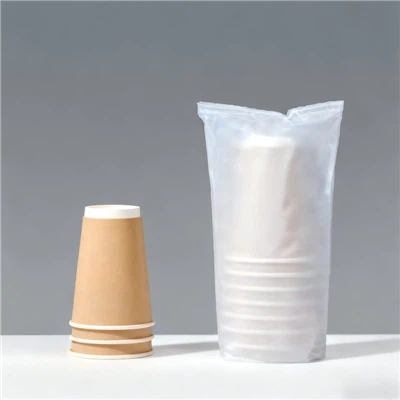
When it comes to serving hot beverages, hot cups are a staple in many cafes, restaurants, and households. As a hot cups supplier, I've seen firsthand the widespread use and popularity of these cups. However, like any product, hot cups come with their own set of disadvantages. In this blog post, I'll explore some of the drawbacks of using hot cups and discuss how they can impact both consumers and the environment.


1. Environmental Impact
One of the most significant disadvantages of using hot cups is their environmental impact. Most hot cups are made from paper, which is a renewable resource. However, the production of paper cups requires a large amount of water, energy, and chemicals. Additionally, many paper cups are lined with a thin layer of plastic to make them waterproof. This plastic lining makes the cups difficult to recycle, as the plastic and paper need to be separated before recycling can occur.
According to a study by the Environmental Protection Agency (EPA), only about 1% of paper cups are recycled in the United States. The remaining 99% end up in landfills, where they can take hundreds of years to decompose. This not only contributes to the growing problem of waste management but also has a negative impact on the environment.
To address this issue, some companies are developing more sustainable hot cups. For example, there are now cups made from biodegradable materials, such as cornstarch or bamboo. These cups are designed to break down more quickly in the environment, reducing their impact on landfills. Additionally, some cafes and restaurants are encouraging customers to bring their own reusable cups, which can help reduce the demand for disposable hot cups.
2. Heat Transfer and Insulation
Another disadvantage of using hot cups is their heat transfer and insulation properties. Many hot cups are not well-insulated, which means that they can quickly become hot to the touch. This can be a problem for consumers, as it can make it difficult to hold the cup without burning their hands. Additionally, the lack of insulation can cause the hot beverage to cool down more quickly, which can be a disappointment for those who prefer their drinks to stay hot for longer.
To address this issue, some companies are developing insulated hot cups. These cups are designed to keep the hot beverage hot for longer and prevent heat from transferring to the outside of the cup. For example, Insulated Coffee Paper Cup are a popular option for cafes and restaurants. These cups are made with a double-wall design, which provides an extra layer of insulation and helps to keep the drink hot for longer.
3. Health Concerns
In addition to their environmental and heat transfer issues, hot cups can also pose health concerns. As mentioned earlier, many paper cups are lined with a thin layer of plastic to make them waterproof. This plastic lining can contain chemicals, such as bisphenol A (BPA), which have been linked to a variety of health problems, including cancer, reproductive issues, and developmental problems in children.
To address this issue, some companies are developing BPA-free hot cups. These cups are made with a different type of plastic lining that does not contain BPA. Additionally, some cafes and restaurants are using cups made from alternative materials, such as glass or ceramic, which do not contain any plastic lining.
4. Cost
Finally, the cost of using hot cups can be a disadvantage for some businesses and consumers. Disposable hot cups can be relatively expensive, especially if they are purchased in large quantities. Additionally, the cost of recycling or disposing of these cups can add up over time.
To address this issue, some businesses are looking for ways to reduce their costs. For example, some cafes and restaurants are purchasing hot cups in bulk, which can help to lower the cost per cup. Additionally, some businesses are encouraging customers to bring their own reusable cups, which can help to reduce the demand for disposable hot cups and save money in the long run.
Conclusion
In conclusion, while hot cups are a convenient and popular way to serve hot beverages, they come with their own set of disadvantages. These disadvantages include their environmental impact, heat transfer and insulation properties, health concerns, and cost. As a hot cups supplier, I'm committed to providing my customers with high-quality, sustainable products that meet their needs. If you're interested in learning more about our hot cups or would like to discuss your specific requirements, please don't hesitate to contact us. We'd be happy to help you find the right solution for your business.
References
- Environmental Protection Agency. (n.d.). Municipal Solid Waste Generation, Recycling, and Disposal in the United States: Facts and Figures. Retrieved from https://www.epa.gov/facts-and-figures-about-materials-waste-and-recycling/municipal-solid-waste-generation-recycling-and
- Centers for Disease Control and Prevention. (n.d.). Bisphenol A (BPA). Retrieved from https://www.cdc.gov/biomonitoring/BPA_FactSheet.html